Inherited an Out-of-State Home? Here’s How to Sell It Fast
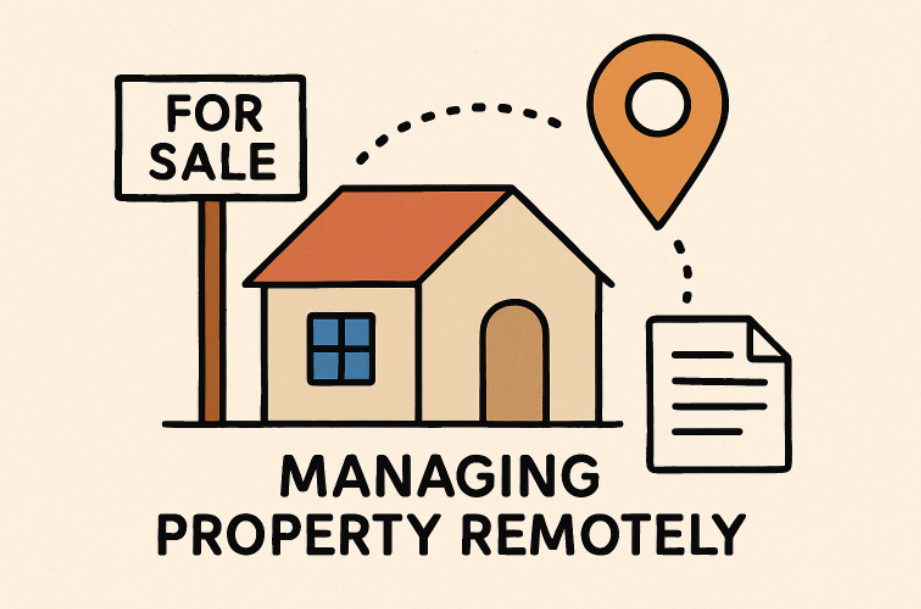
Managing a property you’ve inherited in another state can feel overwhelming, especially when you’re dealing with distance, legal requirements, and emotional considerations all at once. From understanding probate rules to keeping up with taxes, insurance, and maintenance, out-of-state ownership often brings unexpected responsibilities. Many heirs find themselves unsure where to start, particularly if the home is vacant or no longer fits into their long-term plans.
Selling a property from afar usually requires extra coordination, whether that means working with local professionals, handling paperwork remotely, or researching market conditions you’re not familiar with. Some homeowners explore different selling approaches, including direct-sale options commonly discussed in resources like https://www.texascashhousebuyer.com/sell-my-house-cash-lancaster-tx/, to better understand how distance can affect timelines and logistics. Taking time to learn your options can simplify the process and reduce stress as you make informed decisions.
Understanding the Probate Process
Most inherited properties will need to pass through probate unless a trust or other transfer method is in place. Probate is the legal process that authenticates the will and provides the executor with legal authority to manage or sell assets. Because probate specifics vary by state, consulting a local probate attorney is highly recommended. The process can take anywhere from a few weeks to over a year, depending on the estate’s complexity and if there are disputes among heirs. Start by checking the state’s probate court or the local government website to review the required steps and potential time frames.
Assessing the Property’s Condition
Before listing the home, a thorough assessment helps determine whether it’s better to sell the property “as-is” or invest in repairs to potentially increase its value. For out-of-state heirs, homes that require major renovations often make more sense to sell in their current condition, as coordinating repairs from afar can be costly and time-consuming. In some cases, sellers research local market practices or look into common buyer types, such as those often referred to as We Buy Houses Fort Worth, TX, to understand how as-is sales typically work in that area.
If the property only needs minor updates, addressing basic issues such as minor leaks, broken fixtures, or unmaintained landscaping can improve first impressions. Hiring a local property inspector is also a practical step, as their report can provide an objective overview of the home’s condition and help set realistic expectations when planning the sale.
Determining Fair Market Value
The next step is deciding on price. Setting a competitive, fair asking price is critical to attracting buyers and shortening your time on the market. There are two standard approaches:
- Professional Appraisal: Licensed appraisers provide a formal estimate of a property’s value based on its condition, location, and comparable sales.
- Comparative Market Analysis (CMA): Local real estate agents can provide a CMA, leveraging recent sales data for similar homes nearby.
Both strategies help you understand how your property fits into the local market, guiding you toward a suitable listing price and negotiation stance.
Tax Implications
Selling an inherited home comes with tax responsibilities that should never be overlooked. Beneficiaries generally receive a “stepped-up” basis in the property, meaning the home’s market value at the time of the previous owner’s death becomes their cost basis. This typically reduces capital gains taxes, especially if you sell soon after inheritance. However, if the property appreciates after you inherit it, selling later can result in higher taxes on the gain. Some states also levy estate or inheritance taxes, so confirm state requirements by researching current laws on the IRS website and the appropriate state revenue department’s website.
Choosing the Right Selling Method
Out-of-state heirs have two main options: a traditional sale or selling to a cash buyer. In a traditional sale, the home is typically listed with a real estate agent, which may yield a higher offer but usually involves time-consuming showings, repairs, and staging. Alternatively, selling to a cash buyer is often faster, skips the repairs, and usually closes within a matter of days. This route is attractive if you need funds urgently or want to minimize stress. Evaluate your timeline, how hands-on you want to be, and whether you can travel for sale-related tasks before deciding.
See also: Machine Learning vs. Deep Learning: Key Differences
Preparing the Property for Sale
Even when opting for an as-is sale, a little effort can improve your selling price and help the home stand out. Key improvements include decluttering, a deep clean, and addressing any visible safety or health hazards. Simple cosmetic upgrades, such as painting or sprucing up landscaping, can make a positive first impression. Also, remove any remaining personal items to give potential buyers a blank slate when viewing the house.
Coordinating the Sale Remotely
Managing a property sale from afar requires local expertise and efficient digital tools. Start by hiring a trusted real estate agent who knows the local market. Many modern agencies now offer virtual tours, 3D walk-throughs, and electronic signatures to keep you updated and involved without the need for travel. Maintain regular communication with your agent and schedule periodic updates so you’re always informed about showings, offers, and required paperwork. If multiple heirs are involved, ensure everyone is included in digital communications for transparency and faster decision-making.
Conclusion
Selling an inherited out-of-state property can feel overwhelming, but a step-by-step approach makes it manageable. From navigating probate and accurately assessing home value, to evaluating tax implications and choosing the most convenient selling method, each decision impacts how quickly you close and how much you net from the sale. Lean on legal, real estate, and tax professionals whenever possible, and explore specialized services or companies to accelerate the process and minimize hassle. With a clear plan and local support, you can manage the sale confidently and move forward with peace of mind.