Data Point Linkage Overview for 5712937312, 289540731, 651024967, 120919804, 643079360, 77007104
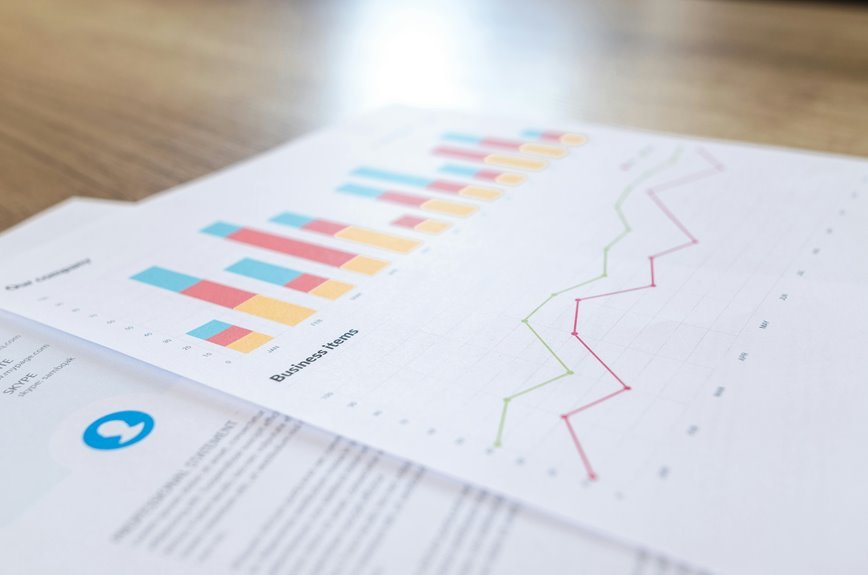
Data point linkage serves as a crucial mechanism for connecting disparate datasets through specific numeric identifiers, such as 5712937312 and 289540731. This linkage enhances the ability to analyze relationships across various domains, including healthcare and finance. However, it also raises significant concerns regarding data privacy and ethical governance. The implications of these connections warrant careful examination, particularly in how they affect data integrity and trust. What challenges and opportunities lie ahead in this evolving landscape?
Understanding Data Point Linkage
Data point linkage refers to the systematic process of connecting disparate pieces of information to form a cohesive understanding of a dataset.
This process highlights the significance of identifiers in establishing data relationships, allowing for more effective analysis.
Analyzing Numeric Identifiers
Numeric identifiers serve as fundamental tools in the process of data point linkage, enabling the accurate association of records across diverse datasets.
Analyzing these identifiers reveals underlying numeric patterns that contribute to their significance. Understanding such patterns enhances the ability to discern relationships between disparate data entries, ultimately fostering a more effective integration of information across various platforms and enabling informed decision-making.
Applications in Various Fields
While numerous sectors increasingly rely on data point linkage, the applications of this technique are particularly prominent in fields such as healthcare, finance, and marketing.
In healthcare analytics, it enhances patient outcomes; in financial modeling, it improves risk assessment; and in marketing strategies, it refines targeting.
Additionally, academic research and governmental databases benefit, while logistics optimization streamlines operations across industries.
Insights and Implications
Although the implementation of data point linkage offers substantial benefits, it also raises critical insights and implications that must be considered.
Data privacy concerns emerge alongside ethical considerations, particularly regarding consent and ownership.
Furthermore, ensuring data integrity becomes paramount, as inaccuracies can undermine analysis.
Additionally, interoperability challenges must be addressed to facilitate effective integration across diverse systems, affecting overall data utility and governance.
Conclusion
In the realm of data point linkage, the numeric identifiers serve as the threads weaving disparate datasets into a cohesive tapestry of insights. Like the fabled Theseus navigating the labyrinth, organizations must tread carefully, balancing the pursuit of knowledge with the ethical considerations of data privacy. The implications of these connections extend far beyond mere analysis, impacting sectors from healthcare to finance, ultimately shaping our understanding of complex relationships in an increasingly interconnected world.